When we talk about data in mining, it’s easy to imagine dashboards filled with blinking alerts, complicated charts, and enough numbers to make your head spin. But here’s the real question: What happens to that data once it’s collected?
Who’s watching it? Where does it go? And more importantly, what’s it actually telling us about the health of our machines?
Right now, the answers vary wildly across sites. Some operations are flying blind, with no data visibility at all. Others have entire teams of reliability engineers, but all they’re doing is reacting to problems after they’ve already happened. And in the middle, you’ve got sites collecting data—but with no clear plan on how to use it.
In an industry where a single mistake can cost millions, that’s a problem worth solving.
When a $1.2 Million Mistake Is Preventable
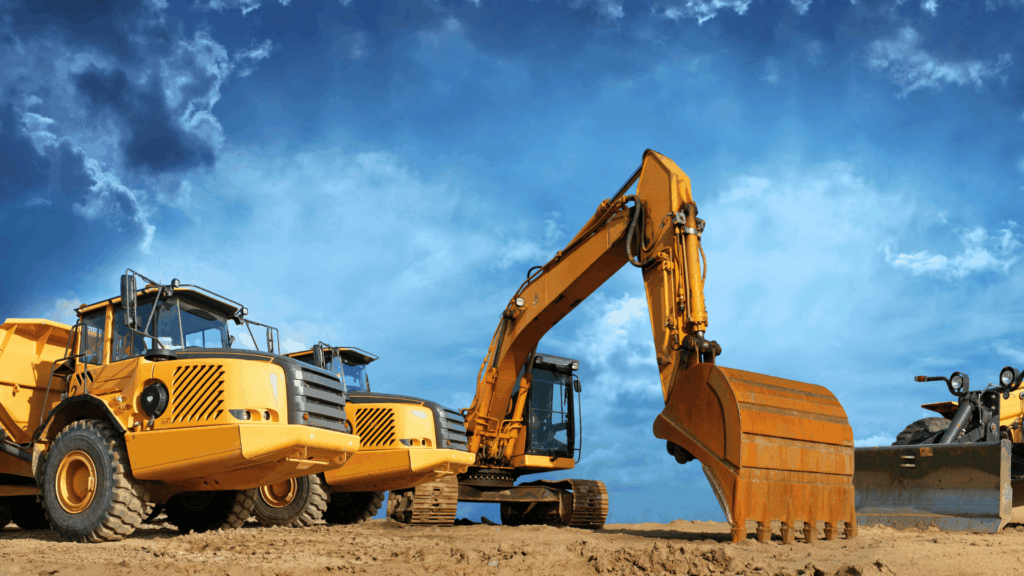
Take for example QSK60 engine, the heart of a heavy excavator, worth AUD $1.2 million. It’s designed to run hard and handle tough conditions, but it has one non-negotiable requirement: clean air.
Now, imagine dust sneaks into that engine. Maybe an air filter wasn’t tightened properly during servicing. Maybe there’s a crack in the manifold, or an intake pipe has come loose. Sometimes, filters are even forgotten entirely.
Within 24 hours, that engine could be destroyed.
It’s not just the replacement cost of AUD $1.2 million. It’s the downtime, the productivity loss, and the fact that a damaged engine core can’t be resold or repurposed. That’s an enormous financial hit—one that could have been avoided with the right technology in place.
Enter DustGuard™: A Smarter Way to Protect Your Machines
This is where technology makes the difference. DustGuard™ isn’t just hardware—it’s a lifeline.
It’s a monitoring system that keeps a constant eye on air quality and engine health, logging data in real-time. When something goes wrong—a filter isn’t sealed, dust levels spike, or intake pipes show irregularities—DustGuard doesn’t wait.
It alerts the operator. It notifies the maintenance team. And if things hit a critical point, it can even trigger an automatic shutdown to save the engine from catastrophic damage.
The investment in DustGuard isn’t just about avoiding a million-dollar failure—it’s about gaining control, clarity, and confidence in your operations.
But the real magic isn’t just in the hardware—it’s in the data.

“When we talk about reliability with our clients, it’s not just about keeping machines running—it’s about protecting their investments and giving them peace of mind. DustGuard isn’t just a product; it’s a promise.”Rob Greco, Director of Sales at NB Industries
Data You Can Actually Use
The problem with most monitoring systems is that they generate data, but they don’t tell you what to do with it. DustGuard™ changes that.
You can log in from anywhere in world and get a transparent view of every monitored machine in your fleet:
- Which machine is showing early signs of trouble?
- What needs attention right now?
- Where can you intervene before failure happens?
It’s not about adding more dashboards to your already overflowing screen. It’s about clarity. It’s about taking all those blinking alerts and turning them into a plan of action.
“Data is only valuable if it drives action. With systems like DustGuard, we’re not just preventing failures—we’re building confidence into every hour of operation.”
Mick Selby, Director at NB Industries

The Reality: Different Sites, Different Stages
No two mine sites are the same. Some have highly skilled reliability engineers working around the clock. Others have none. Some have detailed maintenance plans driven by live data, while others are still reacting to problems as they arise.
But the direction the industry is heading is clear: data isn’t optional anymore—it’s essential.
And it’s not just about collecting it—it’s about using it to make better decisions, faster.
Looking Ahead: Smarter Machines, Smarter Operations
At NB Industries, our job isn’t just to install systems like DustGuard and walk away. It’s to help our clients understand the data, make smarter decisions, and build a culture of reliability that goes beyond firefighting problems.
As we step into 2025, I’m excited about what lies ahead. The future of mining isn’t just about bigger machines or faster operations—it’s about smarter systems that see problems before they happen.
Data isn’t just numbers on a screen. It’s the difference between a million-dollar failure and a problem solved before it begins.